About Canine Pancreatic Lipase
Nov 18, 2021
Acute pancreatitis is caused by a sudden inflammation of the pancreas, which is characterized by the activation of pancreatic enzymes, which causes the pancreas to start digesting itself. The pancreas is located in the upper abdomen, adjacent to the first part of the small intestine ( duodenum), between the stomach, liver, and right kidney. It produces bicarbonate to neutralize stomach acid and promote digestion of several enzymes.

The cause of acute pancreatitis is unclear. Causes include: obesity, high-fat diet, liver disease, infection, and recent abdominal surgery.
The severity of acute pancreatitis ranges from mild to life-threatening. The body's response to inflammation (systemic response) often determines the severity and prognosis of inflammation. Recurrent acute pancreatitis can lead to chronic pancreatitis and may lead to other diseases such as diabetes or pancreatic exocrine insufficiency.
Symptoms of Pancreatic Lipase
1. Appetite decline: Every time I eat, I have more and more leftovers, and even become indifferent or weak in the face of my favorite greasy food.
2. Vomiting and diarrhea: The dog vomits frequently, several times a day. Diarrhea may also occur, and the stool will not be formed and soft.
3. Poor spirit: Depressed, not as lively as before, like lying on the floor, obviously weak.

4. Abdominal pain: Pancreatitis can cause abdominal pain, so dogs often squat, lie on their stomachs, hunch their body, and maintain a stiff posture. When the owner touches and presses its abdomen, it will show resistance.
5. Fever and shock: Fever is a symptom caused by inflammation. If it is a very serious and emergency situation, the dog will still experience shock!

Diagnosis of pancreatitis in dogs
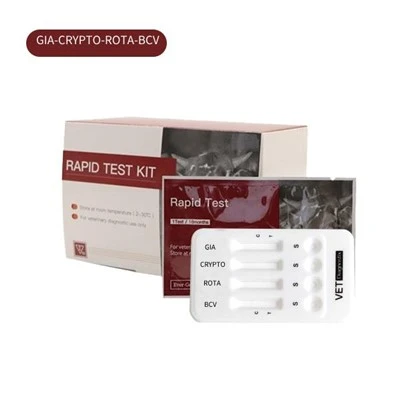
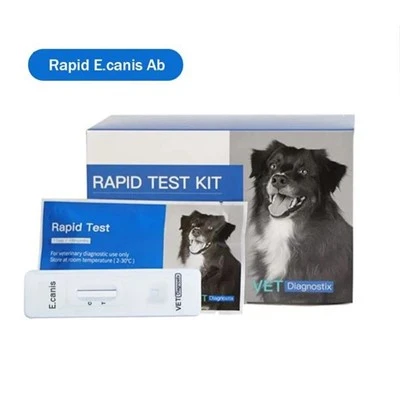
When the dog has the above symptoms, a quick diagnostic reagent can be used to preliminarily determine whether the dog really has pancreatitis. If the test reagent detects a positive result, further examination is recommended.

In general, the veterinarian will perform a variety of diagnostic tests on the dog to determine the presence of acute pancreatitis and rule out other diseases. These can include one or more of the following:
1. A complete medical history and a comprehensive physical examination, including careful palpation of the abdomen to check for pain or abdominal masses.
2. Complete blood count (CBC or blood chart) to assess the severity of inflammation and check for anemia and low platelet count.
3. Serum biochemical test to assess the general health of the dog and determine the impact of pancreatitis on other body systems
4. Serum enzyme determination test, the content of the determination includes: amylase and
lipase. However, these tests are not ideal. For example, for some dogs with pancreatitis, the test results are normal. It is worth mentioning that serum pancreatin-like immunoreactivity is a relatively new test method that can be used to determine whether pancreatin is released into the blood. However, the value of this test is still controversial.

5. Abdominal x-ray to check the status of the pancreatic area.
6. Ultrasound of the abdomen to assess pancreatic swelling, pancreatic abscess or peritonitis. In an ultrasound examination, a special probe is placed in the abdomen, and then the ultrasound reflection from the abdominal organs produces an image on the monitor. This process is not painful and does not require sedatives.
7. Serum canine pancreatic lipase immunoreactivity (PLI or cPLI) concentration is the most reliable detection method for the diagnosis of pancreatitis. This blood test process will be sent to an outside laboratory to be performed. This is a "quick" test that can be performed in the clinic but is actually not very reliable. If the result is negative, then the diagnosis of pancreatitis in the dog can usually be eliminated, but if the result is positive, then the diagnosis cannot be confirmed. Serum PLI is generally sent to an external laboratory, and it is considered the first choice for the diagnosis of canine pancreatitis.
Treatment of pancreatitis in dogs
Severe pancreatitis can be life-threatening and requires intensive treatment. The treatment of acute pancreatitis can include the following:
1. Food and water should be avoided to dogs for 24 to 72 hours so that the pancreas can be adequately rested. This treatment may be sufficient for dogs with mild pancreatitis.
2. Subcutaneous injection or intravenous fluid injection can correct the dog’s dehydration and provide the dog’s daily fluid needs during the period of food and water detention.
3. If your dog responds well to treatment in the first few days, then food and water will be gradually reintroduced. If your pet's condition improves and has not vomited for at least 24 hours, you can give it a small amount of light food ( note that it is low-fat).

4. The way to treat abdominal pain is to rest in a cage, stop eating and drinking if necessary, and give pain medication.
5. Antibiotics can be used to prevent or treat secondary bacterial infections.
6. Patients who are severely ill and also suffer from pancreatic abscess, pancreatic cyst or peritonitis may require surgery
Home care of dog pancreatitis
1. First of all, you must take any prescription drugs prescribed by your veterinarian in strict accordance with the doctor's advice and follow any special dietary recommendations.
2. Observe your dog's general activity level, appetite and mental state, and make a record.
3. Pay attention to whether the dog has symptoms of loss of appetite, listlessness or vomiting. During the recovery period, you can feed it a low-fat diet to maintain a normal weight. In addition, you should avoid contact with leftovers, garbage , or other high-fat food sources.
4. Regular follow-up with your veterinarian to monitor your dog's recovery progress and promptly detect any recurring pancreatitis.
Preventive health care
Acute pancreatitis is difficult to prevent. Methods to prevent pancreatitis include:
1. After weight loss, keep the dog at a normal weight.
2. Feed a low-fat diet.
3. Prevent dogs from touching leftovers on the table.
4. Try to reduce the blood lipid levels of animals with abnormal blood lipid levels (such as some small Schnauzers)