Understanding Canine Trichomonas: A Quick Guide
May 19, 2025
Introduction
Canine Trichomonas is a parasitic infection caused by Trichomonas canistomae (formerly Pentatrichomonas hominis), a protozoan that colonizes the oral cavity, gastrointestinal tract, or urogenital tract of dogs. While often asymptomatic, it can lead to clinical signs in immunocompromised or stressed animals.
Transmission
Direct contact: Oral-oral or fecal-oral routes (e.g., shared water bowls, grooming).
Venereal transmission: Rare but possible in genital infections.
Environmental survival: Poor outside the host; requires moist conditions.
Clinical Signs
Oral infection: Halitosis, gingivitis, ulcerative stomatitis.
GI infection: Chronic diarrhea, mucus in feces, weight loss.
Urogenital infection: Vaginal discharge (females), balanoposthitis (males).
Diagnosis
Microscopy: Wet-mount examination of fresh feces/oral swabs (motile trophozoites with flagella).
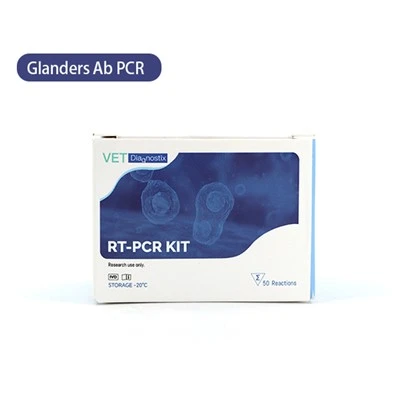
PCR: Highly sensitive for species identification.
Culture: Feces in specialized media (e.g., Diamond's medium).
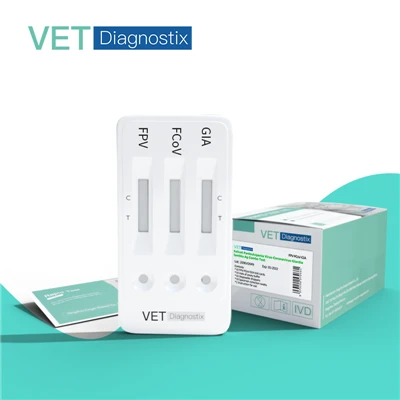
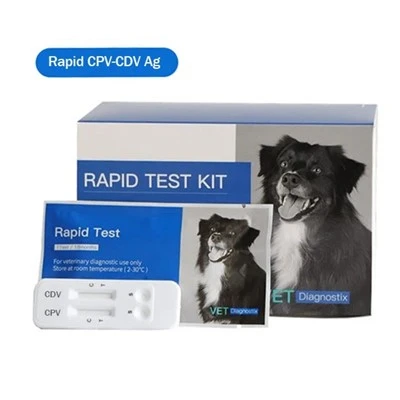
Rapid Trichomonas antigen Test: a lateral flow immunochromatographic assay
Treatment & Management
Antiprotozoals: Ronidazole (off-label, cautious use due to neurotoxicity risk).
Supportive care: Oral hygiene, hydration, and probiotics for GI cases.
Sanitation: Disinfect bowls/kennels with quaternary ammonium compounds.
Zoonotic Potential
Current evidence suggests T. canistomae is host-specific, but hygiene protocols are recommended for immunocompromised handlers.
Prevention
Regular dental care.
Avoid overcrowding in kennels.
Prompt isolation and testing of symptomatic dogs.
Conclusion
Canine Trichomonas is an emerging concern in veterinary practice, particularly in shelter settings. Early diagnosis and tailored treatment are key to managing this resilient parasite.
(Sources: J Vet Intern Med, Vet Parasitol, 2020; MSD Vet Manual)