Contagious Bovine Pleuropneumonia (CBPP) Antibody Testing: Supporting Early Surveillance in Cattle Herds
Jul 20, 2026
I remember the first time I saw a herd with CBPP. The coughing was relentless-you could hear it from the lane before you even reached the pens. But what struck me more than the sick animals were the ones that weren't sick. Standing right next to their coughing penmates, eating, drinking, looking around like nothing was wrong. That's when it clicked: this disease doesn't play fair.
You can't spot it just by looking. Some animals carry it and shed it for months without ever running a fever or missing a meal. They become silent sources of infection, and by the time you realize what's happening, the whole group has been exposed.
The organism itself-Mycoplasma mycoides subsp. mycoides-sets up shop in the lungs and goes to work. Inflammation builds, the pleura thickens, and breathing gets harder. In acute cases, the damage is irreversible. In chronic ones, animals just never quite thrive the way they should.
Over the years, vets have learned to recognize the classic picture: fever that comes and goes, a cough that hangs on, cattle that slowly lose condition. But those signs don't always add up clearly. Calves might not gain well. Cows might drop in milk. One animal might seem off, then bounce back, then go downhill again. It's confusing unless you're looking with the right tools.
That's where antibody testing comes in. It doesn't care about symptoms-it just tells you whether an animal has mounted a response to Mmm. And that information changes everything.
I've sat with producers and walked through their test results more times than I can count. A few positive animals in a group usually leads to some hard conversations. Where did they come from? How long have they been here? What else are we moving in and out of this yard? The test results don't give you all the answers, but they force the right questions.
In high-risk areas-places where CBPP is known to circulate, or where cattle move across borders-running these tests on a schedule makes sense. Not because every herd is infected, but because it's the only way to know for sure. Clinical exams alone leave too much room for doubt.
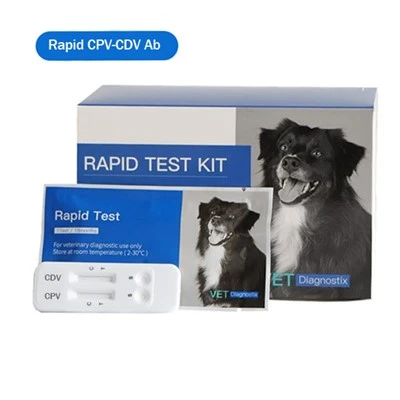
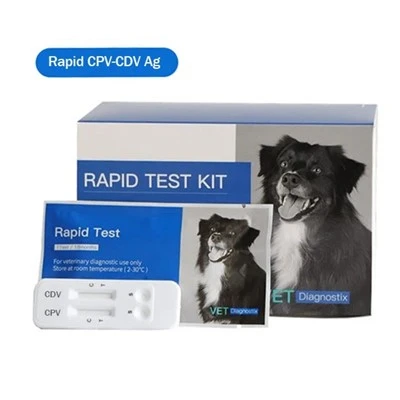
The VETDiagnostix test has been useful in these situations because it's practical. You can run it on-site and get data while the cattle are still in the chute. That means decisions don't get delayed. If there's a problem, you know about it before animals ship out or new ones come in.
Nobody wants to be the farm that started an outbreak. And nobody wants to lose animals to a disease that could have been caught earlier. That's the real value of surveillance-not just checking boxes, but keeping the herd safe in a way that's proactive instead of reactive.