Feline Panleukopenia: Clinical Overview and Antigen Detection
Sep 09, 2026
Feline panleukopenia (FP) is a viral infection of cats caused by the feline panleukopenia virus (FPV). The disease occurs globally and can be severe, especially in young kittens and cats that are not adequately vaccinated.
FPV primarily targets rapidly dividing cells-such as those in the intestinal lining, bone marrow, and lymphoid tissues. This tropism explains the frequent presence of gastrointestinal symptoms and lowered white blood cell counts in infected animals.
Clinical Presentation
The severity of FP depends largely on the cat's age and immune status. Young kittens are especially prone to serious illness.
Typical signs include:
- Pyrexia
- Anorexia
- Lethargy and listlessness
- Emesis
- Diarrhea
- Dehydration
- Leukopenia
In critical cases, cats can become severely debilitated and dehydrated, and death may occur-most commonly in kittens. According to the Merck Veterinary Manual, clinical disease is most frequently diagnosed in cats between roughly 4 weeks and 2 years of age.
Early signs can resemble those of other gastrointestinal or systemic disorders. Therefore, when FPV is suspected, clinicians should weigh the cat's age, vaccination record, clinical presentation, and possible exposure history together.
Transmission and Environmental Survival
FPV spreads mainly via infected feces. Infected cats can excrete large quantities of virus, contaminating the surrounding environment.
Direct cat-to-cat contact is not required for transmission. Contaminated litter trays, enclosures, food and water dishes, clothing, footwear, and other fomites can all facilitate viral spread.
Environmental stability is a major obstacle in FP control. FPV resists many environmental conditions and may remain infectious for months; under favorable circumstances, survival can extend to a year or longer.
This resilience makes disease management especially difficult in shelters, catteries, rescue facilities, and other settings where cats are housed in groups.
Higher-Risk Groups
While any susceptible cat may contract FPV, certain populations face greater risk of severe disease.
Kittens are highly vulnerable, particularly before they have developed protective immunity from vaccination.
Unvaccinated cats have a significantly higher chance of infection and severe outcomes. Low vaccination rates also enable the virus to circulate more readily within susceptible populations.
Group-housed cats face increased exposure due to close contact and shared amenities. Shelters, breeding operations, and rescue centers should therefore prioritize vaccination, hygiene, and isolation protocols.
Use of FPV Antigen Test
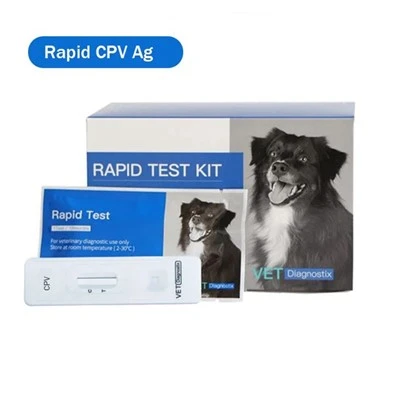
The Feline Panleukopenia Virus Antigen Test detects FPV antigen in fecal specimens or rectal swabs. It is useful when FP is suspected based on clinical signs, age, and exposure history.
Rapid antigen testing offers a practical, point-of-care tool for obtaining an initial indication of FPV infection. A positive result in a cat with compatible clinical findings can provide supportive evidence for an FP diagnosis.
Viral shedding can fluctuate during the infection course, so test outcomes must always be interpreted alongside the full clinical picture and history (Merck Veterinary Manual).
In multi-cat environments, prompt identification of suspect cases supports timely isolation and infection-control measures, helping curb further transmission.
Prevention and Control Strategies
Vaccination remains the cornerstone of FP prevention. FPV is classified as a core vaccine component in all major international feline vaccination guidelines.
Vaccination should be complemented by rigorous hygiene and appropriate isolation practices, particularly where cats are kept in groups. Because FPV can persist in the environment for extended periods, effective cleaning and disinfection are essential to disease control.
Feline panleukopenia can progress rapidly, especially in kittens. Early recognition of clinical signs and use of the antigen test when infection is suspected can provide valuable information during initial assessment and aid in implementing timely control interventions.

Sources
Merck Veterinary Manual. Feline Panleukopenia.
European Advisory Board on Cat Diseases (ABCD). Guideline for Feline Panleukopenia.
Truyen U, Addie D, Belák S, et al. Feline Panleukopenia: ABCD guidelines on prevention and management. Journal of Feline Medicine and Surgery.
European Advisory Board on Cat Diseases (ABCD). Guideline for Vaccination and Antibody Testing in Cats.