Pet Bird Adenovirus: Understanding the Infection and the Importance of Antigen Detection
Nov 04, 2026
Adenovirus turns up in parrots, budgerigars, cockatiels and other captive pet birds. Infections have been tied to hepatitis and gastrointestinal disease. Plenty of infected birds look fine, which is why timely detection matters.
1. What Is Avian Adenovirus?
Avian adenoviruses are DNA viruses in the family Adenoviridae. They hit different bird species. In pet birds, reports cluster around psittacine birds-African greys and other parrots.
The virus can affect the liver and gut. Some infections come with inclusion body hepatitis: liver damage plus characteristic intranuclear inclusion bodies in affected cells.
Adenovirus-associated hepatitis and enteritis have been documented in parrots too. This pathogen matters in companion bird health.
2. Clinical Signs of Adenovirus Infection in Pet Birds
What you see depends on the species, the strain and the individual bird's condition.
Signs commonly reported:
- Lethargy, less activity
- Poor appetite
- Weight loss
- Diarrhea
- Ruffled feathers
- Weakness, depression
Severe cases can involve serious liver damage and multiple organs. Young birds are especially vulnerable.
None of these signs is specific to adenovirus. That is where antigen detection helps.
3. Transmission and Disease Management
The virus spreads through contact with infected birds and contaminated materials. Fecal contamination is a key route of horizontal transmission. Some avian adenoviruses have also been reported to pass through infected eggs.
Breeding facilities, bird collections and multi-bird households all increase the chance of close contact-and transmission.
Hygiene, quarantine for new birds and regular health monitoring are the practical pillars of management.
4. The Role of Rapid Antigen Detection
Catching infectious disease early is a core part of companion bird health management.
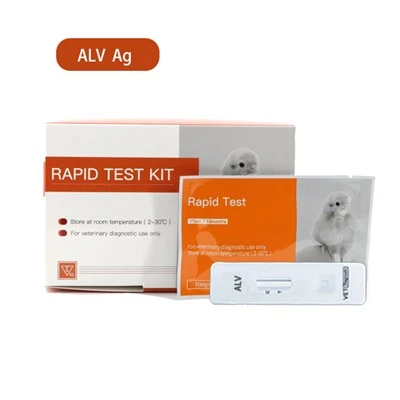
The Pet Bird Adenovirus Antigen Test detects adenovirus antigens-a practical way to identify viral infection.
As a rapid diagnostic tool, antigen detection offers several advantages:
- Rapid results: timely information to support veterinary assessment.
- Direct antigen detection: targets viral antigens associated with current infection.
- Convenient operation: fits routine diagnostic workflows in veterinary settings.
- Practical disease monitoring: helps veterinarians assess health status and manage infectious disease risks.
Rapid antigen testing can be incorporated into veterinary diagnostic workflows, giving veterinarians relevant information when evaluating birds with suspected adenovirus infection.
5. Protecting the Health of Pet Birds
Adenovirus deserves attention in companion bird medicine-especially in breeding collections and multi-bird environments.
Recognizing clinical signs, keeping good hygiene and incorporating appropriate diagnostic testing into routine veterinary practice all contribute to better infectious disease management.
The Pet Bird Adenovirus Antigen Test gives veterinarians a convenient diagnostic option, supporting identification of adenovirus infection and informed decisions about bird health management.
References
1. Viral Diseases of Companion Birds. Veterinary Clinics of North America: Exotic Animal Practice. 2005.
2. High prevalence and genetic heterogeneity of adenoviruses at a psittacine breeding facility. 2024.
3. Capua I, Liberti L, Gough RE, Casaccia G, Asdrubali G. Isolation and characterization of an adenovirus associated with inclusion body hepatitis in psittacine birds. Avian Pathology. 1995;24(4):717–722.