Useful Tips for Canine Vaccine
Oct 08, 2021
Core vaccine VS non-core vaccine
1. Core vaccines (Core Vaccines), which means that all dogs must receive injections under any circumstances.
They can protect dogs from serious and fatal global diseases.
• Rabies Virus vaccine (In china)
• Canine Distemper Virus vaccine
• Canine Adenovirus-1 and 2 (Canine Adenovirus-1 and 2) vaccines
• Canine Parvovirus vaccine
2. Non-core vaccines (Non-core Vaccines) are selective vaccination. The risk of contracting diseases is assessed mainly based on geographic location, local environment, or lifestyle, so as to determine whether injections are required.
• Canine Parainfluenza Virus vaccine
• Canine Leptospira interrogans vaccine
• Canine Bordetella vaccine
• Canine Lyme disease vaccine
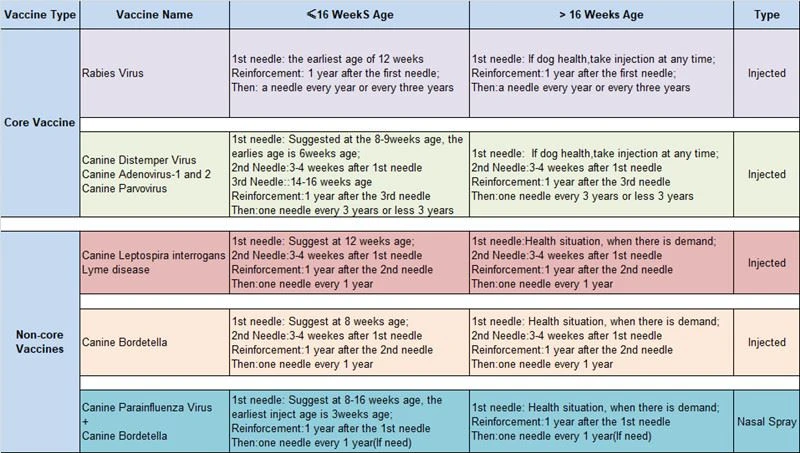
Take a chestnut: If a dog needs foster care or is a socialist, the doctor will recommend vaccination with canine parainfluenza virus vaccine and Bordetella canine vaccine to prevent airborne infectious bronchitis (kennel cough).
Frequently Asked Questions about Canine Vaccines
1. How do I know if the vaccine is working?
This is a very, very critical issue and a super important step.
It is recommended that the serum antibody test be performed 4 weeks after the last injection of the first immunization.
If the amount of antibody meets the standard, then the first immunization is completed. If the standard is not met, you need to consider continuing vaccination or changing the brand of vaccine.
Is the lack of antibodies due to the quality of the vaccine?
Not necessarily. Of course, we must first choose a reputable animal hospital. Because the effect of the vaccine varies from dog to dog, for example, when the dog is ill or malnourished at the time of vaccination, the immune effect will be compromised, and the response of some dogs to the vaccine is not as good as other dogs (genetic decision).
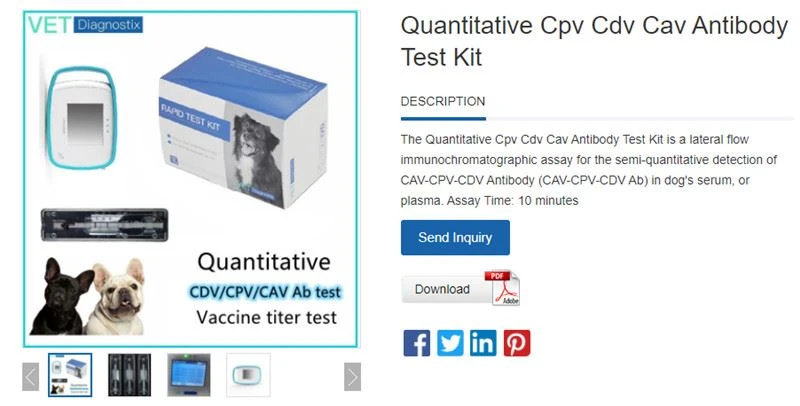
In addition, for dogs who do not know their immune status, it is recommended to do antibody testing before deciding whether to vaccinate.
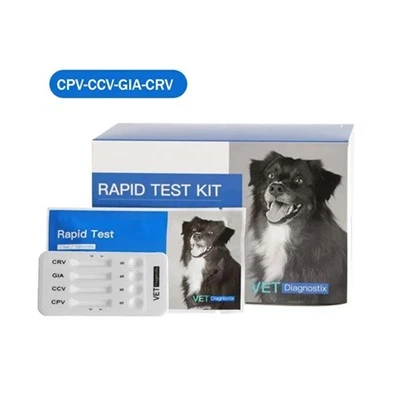
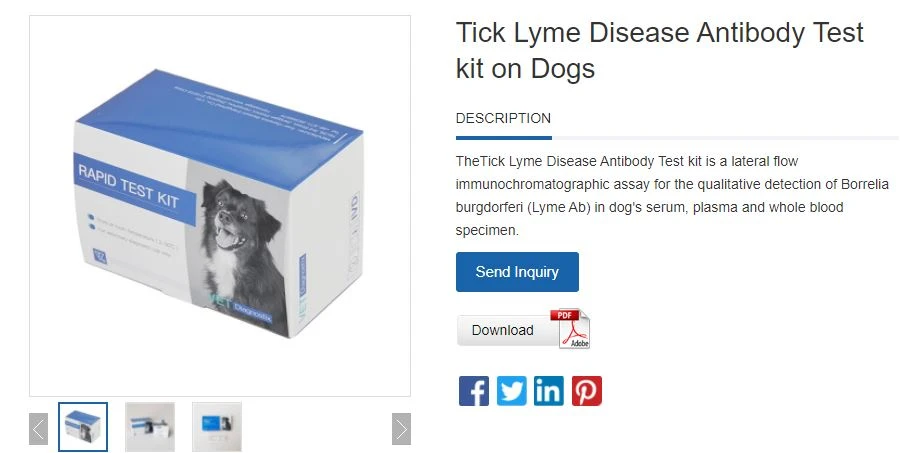
Our company currently provides antibody level tests for the following viruses, which can help you understand the immune level of dogs:
Ehrlichia canis Antibody Test
Babesia canis Antibody Test
Babesia gibsoni Antibody Test
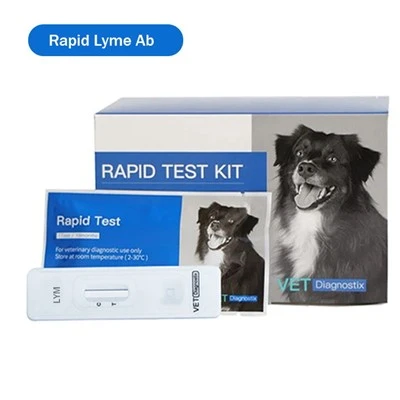
Lyme Disease Antibody Test
Rabies Antibody Test
Canine Brucella Antibody Test
Canine Parvovirus Antibody Test
Canine Distemper Virus Antibody Test
Leishmania canis Antibody Test
Anaplasma Antibody Test
Canine Adenovirus Antibody Test
Canine/Feline Toxoplasma IgG/IgM Antibody Test
2. What do the so-called double, quad, six and eight in the market mean?
Combination vaccine refers to a vaccine that is immunized against multiple diseases at the same time. Jilian=Prevent several diseases. Special attention: The diseases prevented by Silian and Wulian are the same, but different brands and names.
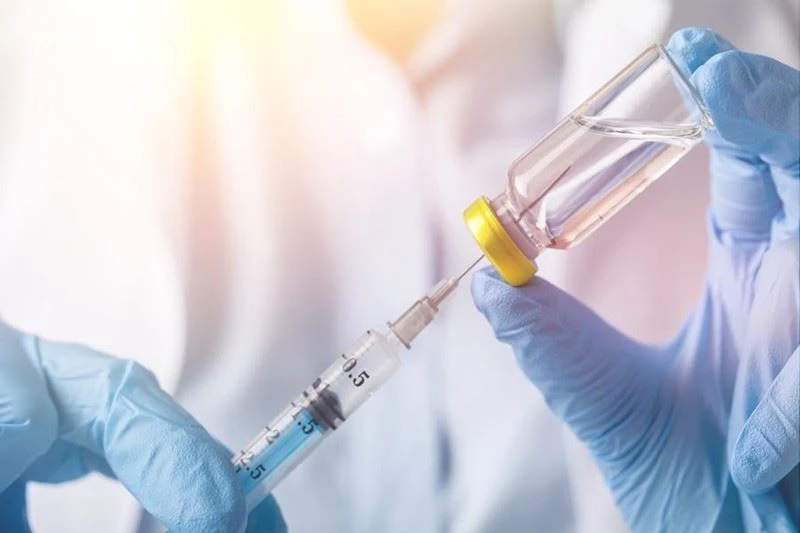
Double: Canine Distemper + Small Dog
Quadruple: Canine Distemper+Canine Small + Parainfluenza + Canine Adenovirus (Type 1+Type 2)
Six Joints: Canine Distemper + Canine Small + Parainfluenza + Canine Adenovirus (Type 1 + Type 2) + Leptospira
Eight Joints: Canine Distemper + Canine Small + Parainfluenza + Canine Adenovirus (Type 1 + Type 2) + Leptospira + Leptospira icterohaemorrhagic + Canine Coronavirus
3. Can it be vaccinated earlier?
Certain vaccines can be given as early as 6 weeks of age.
Because puppies absorb the maternally derived antibody in their mother's colostrum after birth, this passive immunity can protect them until they are about 8-12 weeks old, and the specific time varies among individuals.
Vaccination earlier than 6 weeks of age is very vulnerable to immune failure; vaccination earlier than 2 weeks of age may also cause damage to the heart and nervous system of the puppy.

4. Why can the nasal drop vaccine be used as early as 3 weeks of age?
Because the nasal drop vaccine is absorbed through the mucosal system, the immune response caused by it will not be interfered by maternal antibodies.
5. Is there an injection type for canine parainfluenza vaccine?
Yes, it can be a single vaccine, or a combination vaccine with canine distemper vaccine, canine small vaccine and adenovirus vaccine.
However, since the infection site of the parainfluenza virus is the upper respiratory tract, it is not recommended to use a single vaccine. Combination vaccines or nasal drop vaccines are better choices.
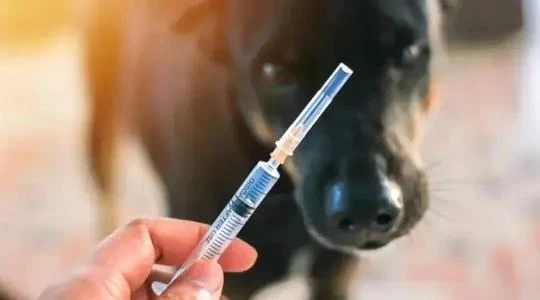
6. Why do puppies ≤16 weeks of age need to be vaccinated repeatedly?
Since little milk dogs lack neutralizing antibodies, a series of vaccinations are needed to induce the initial immune response and produce antibodies. This process is called the basic immune process.
7. Why do I need a booster vaccine?
On the one hand, it is to ensure that puppies who do not have a good immune response in the puppy stage can have stronger immunity.
On the one hand, adult dogs can gain long-term immunity through a booster vaccine.
8. Why is there a vaccine every 1 year and every 3 years?
The effective immune protection period (Duriation of Immunity, DOI) is the shortest time that will not affect the immune efficacy of the vaccine based on experimental evidence.
Different vaccines have different effective immune protection periods.

9. I still get sick after the vaccine. Is the vaccine ineffective?
This situation is called immune failure. There are several possibilities:
o Maternal antibodies neutralize the virus in the vaccine (most common cause)
o Vaccine failure (it depends on the manufacturer's production and vaccination methods)
o Dogs are immune non-responders (may be related to specific breed genes. For example: Rottweilers and Dobermans have had a higher proportion of immune non-responders)
10. Do small dogs need to reduce the vaccine dose?
unnecessary. The dose of vaccine is determined based on the minimum amount a dog should give to gain immunity, not based on body weight.
Reducing the dose may result in immune failure.