Aeromonas Hydrophila In Freshwater Turtles
Nov 13, 2026
Aeromonas hydrophila stands as one of the most prevalent opportunistic bacteria affecting captive freshwater turtles, regularly responsible for fatal septicaemic outbreaks across breeding colonies, rescue facilities and private exotic animal collections. The organism persists naturally in aquatic environments and on the mucosal surfaces of otherwise healthy chelonians. Problems arise when animals are pushed past their normal resilience: rough transit, sustained poor water quality, overstocked enclosures, open wounds or sharp swings in water temperature all suppress local immunity and let the bacteria replicate out of control.
Progression can be alarmingly fast. Early signs are easy to overlook, often limited to small areas of skin erosion, faint shell lesions or tiny bleeding spots along the neck and flippers. Once the infection turns systemic, affected turtles go off feed, grow sluggish, float tilted in the water, and may seep mucus from the nostrils and mouth. On post-mortem, practitioners frequently note visceral congestion and bloody fluid within the coelom, the classic presentation widely recognised as red neck disease. Once an outbreak takes hold within a group, losses can accumulate rapidly, which is why keepers and reptile clinicians prioritise its ongoing surveillance.
Good husbandry remains the first line of defence. Still, early infection rarely shows unique, unmistakable signs. Visual checks alone cannot reliably distinguish this bacterial syndrome from other ulcerative or septicaemic conditions. Waiting for advanced clinical signs often means intervention comes too late for many animals.
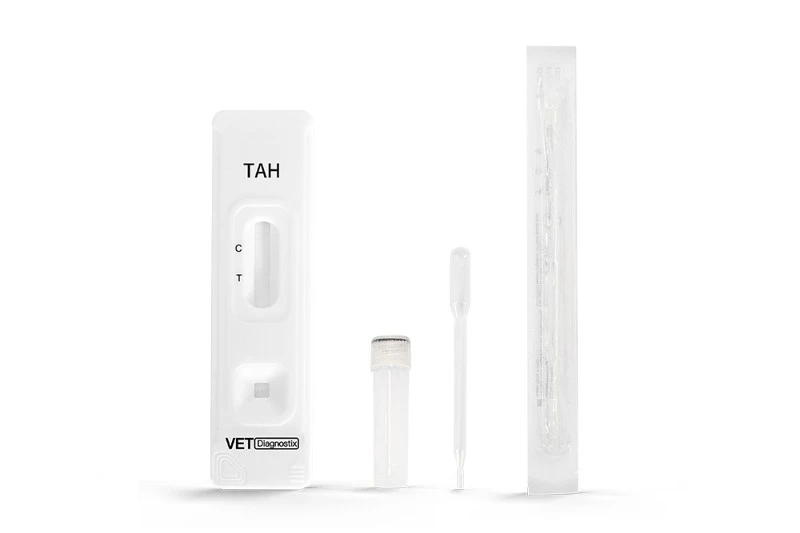
The Turtle Aeromonas hydrophila Antigen Test supports routine work in the field. Practitioners use it to check animals showing suspicious symptoms, run spot checks across established groups, screen new turtles before they join an existing collection, and verify the causative agent during active outbreaks. It fits well within routine workflow, as it can be run where the animals are kept without reliance on heavy lab infrastructure. Results come through quickly, giving teams the information they need to separate positive individuals early and slow onward transmission. It produces dependable readings suited for repeated colony monitoring, helping those caring for these animals trace potential sources of infection and adjust husbandry protocols to limit further spread.