Ovine Cryptosporidiosis: Understanding Cryptosporidium Infection in Sheep
Oct 23, 2026
What Is Cryptosporidiosis in Sheep?
Cryptosporidiosis is a parasitic disease. It is caused by Cryptosporidium species, which infect the intestinal tract of many animals. In sheep, the infection is most important in young lambs. Here it is associated with diarrhea, reduced growth and poor body condition.
Cryptosporidium parvum is an important species linked to intestinal disease in neonatal ruminants. The parasite develops in intestinal epithelial cells. This affects normal intestinal function and the absorption of nutrients. The severity of infection varies. It depends on the lamb's age, immune status, infectious dose and farm environment.
Cryptosporidiosis is an important consideration in lamb-rearing systems. This is especially true where young animals are housed together and exposed to contaminated bedding, feed or water.
How Does Cryptosporidium Spread?
Infected animals shed Cryptosporidium oocysts in their feces. Other lambs become infected by ingesting contaminated material. This includes bedding, feed or water. The oocysts can survive in the environment. They remain infectious after being shed. So contamination can build up in areas occupied by young animals.
Crowded housing, shared feeding areas and inadequate hygiene increase opportunities for transmission. Once infection becomes established in a lambing shed or rearing area, multiple animals may be exposed within a short period.
Understanding this fecal–oral transmission route is important. It helps with managing cryptosporidiosis and reducing the spread of infection within a flock.
Clinical Signs in Infected Lambs
Diarrhea is one of the main clinical signs of cryptosporidiosis in young lambs. Affected animals may also show reduced appetite, lethargy, dehydration and poor weight gain. This depends on the severity of infection.
The disease is not always easy to identify from clinical signs alone. Diarrhea in lambs can have several infectious and non-infectious causes. More than one pathogen may be present in the same animal or group. Laboratory testing can therefore provide useful information when investigating gastrointestinal disease in a flock.
The Role of the Ovine Cryptosporidium Antigen Test
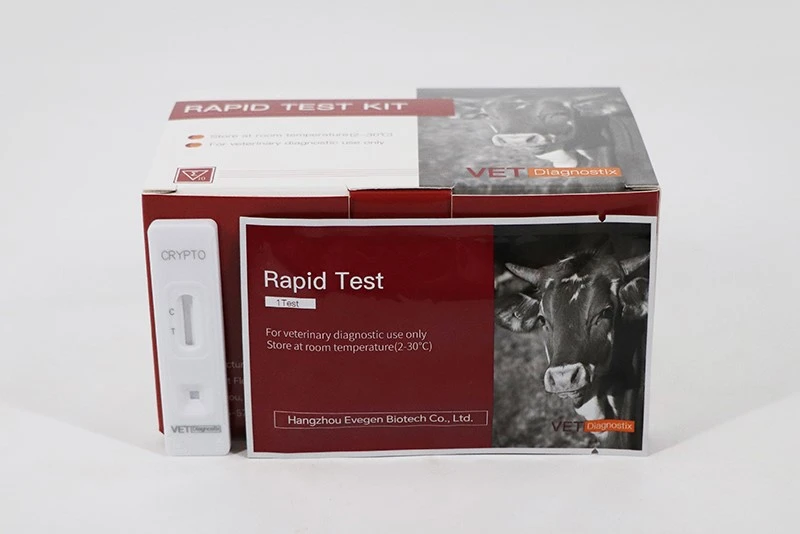
The Ovine Cryptosporidium Antigen Test is designed to detect Cryptosporidium antigens in fecal samples. Antigen detection focuses on parasite-associated components in the sample. It can help identify animals shedding the organism.
Rapid immunochromatographic tests use an antibody-based reaction to detect the target antigen. In a lateral flow format, the sample moves along the test membrane. The result is indicated by the appearance or absence of the designated test line. This follows the product instructions.
For veterinary professionals, rapid antigen testing can support the investigation of suspected cryptosporidiosis. This is particularly useful when young lambs develop diarrhea or several animals show similar signs. Results can help inform decisions about flock monitoring, hygiene management and further diagnostic investigation.
Supporting Flock Health Through Early Detection
Cryptosporidiosis can affect lamb health and productivity. This is particularly true during the early stages of life. Recognizing clinical signs, understanding transmission routes and identifying the presence of Cryptosporidium are important parts of disease management.
The Ovine Cryptosporidium Antigen Test provides a practical approach to detecting Cryptosporidium antigen in fecal samples. It is used alongside clinical assessment and appropriate farm management practices. Antigen testing can help veterinary professionals investigate suspected infections. It also supports better health management in sheep flocks.
References
1. Merck Veterinary Manual. Cryptosporidiosis in Animals.
https://www.merckvetmanual.com/digestive-system/cryptosporidiosis/cryptosporidiosis-in-animals
2. Thomson, S., Hamilton, C. A., Hope, J. C., Katzer, F., Mabbott, N. A., Morrison, L. J., & Innes, E. A. (2017). Bovine cryptosporidiosis: impact, host–parasite interaction and control strategies. Veterinary Research, 48, 42.
https://doi.org/10.1186/s13567-017-0447-0
3. Ryan, U., Fayer, R., & Xiao, L. (2014). Cryptosporidium species in humans and animals: current understanding and research needs. Parasitology, 141(13), 1667–1685.
https://doi.org/10.1017/S0031182014001085
4. Hassan, E. M., Örmeci, B., DeRosa, M. C., Dixon, B. R., Sumarah, M. W., & Marcone, M. F. (2021). A review of Cryptosporidium spp. and their detection in water and food. Food and Waterborne Parasitology, 22, e00133.
https://doi.org/10.1016/j.fawpar.2020.e00133