Ovine Peste des Petits Ruminants Virus Antibody Test: Understanding PPR in Sheep
Sep 23, 2026
Peste des petits ruminants (PPR) is a serious infectious disease that affects sheep and goats. It is caused by peste des petits ruminants virus (PPRV), a morbillivirus that spreads quickly among susceptible animals. Infected animals often develop fever, nasal and ocular discharge, oral lesions, diarrhea, and respiratory symptoms. In severe cases, the disease can cause high mortality.
PPR remains a problem in many areas where sheep and goats are raised. According to the Food and Agriculture Organization (FAO), more than 70 countries have reported PPR or are considered at risk, covering around 1.7 billion sheep and goats. The impact is not limited to animal health. Where small ruminants provide meat, milk, and household income, outbreaks can also reduce farm productivity and affect local livelihoods.
PPR Circulation Can Differ Between Flocks
The presence of PPRV antibodies in a sheep flock can tell us something about past exposure or vaccination. Serological surveys from different regions show that antibody levels often vary greatly between flocks and areas.
For example, a survey of small ruminants in India found an overall PPRV seroprevalence of about 44%, though the numbers differed from state to state. This kind of variation is common. Differences in vaccination coverage, animal movement, flock management, and previous exposure can all shape the immune profile of a population.
This is one reason PPR control should not be viewed only at the level of individual animals. A flock may contain animals with different vaccination histories and different levels of exposure, especially when animals are regularly bought, sold, or moved between farms.
Vaccination Changes the Picture
Vaccination is a key part of the global PPR control programme. India, for instance, has carried out large-scale vaccination campaigns under its national PPR eradication programme. A nationwide assessment published in 2026 examined more than 52,000 serum samples from 1,600 epidemiological units. The study reported an overall population immunity level of about 72% after the second annual mass vaccination campaign.
These numbers are useful because they show the gap between having a vaccination programme on paper and achieving broad immunity across the animal population. At farm level, however, the picture can be more uneven. Young animals may not have the same vaccination history as adults, newly introduced sheep may come from different health backgrounds, and flock immunity can shift as animals are born, purchased, sold, or moved.
For sheep producers and animal health professionals, tracking vaccination history and the immune status of the flock is therefore part of routine disease management, not something to consider only after an outbreak.
Where PPRV Antibody Testing Fits In
A PPRV antibody test can be used to check the immune status of sheep and support flock-level surveillance. In regions with established vaccination programmes, antibody testing can add useful information when reviewing vaccination coverage or assessing the immune profile of a group of animals. It can also help when animals are introduced into a flock or when disease-control programmes require regular monitoring. In a 2025 study from Egypt's Nile Delta region, antibodies against PPRV were found in 30.5% of the 780 small-ruminant samples examined, showing how serological findings can differ between production systems and locations.
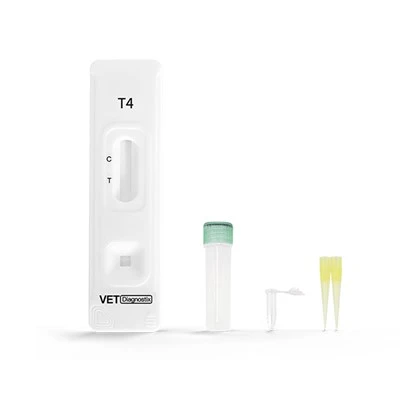
For practical use, rapid PPRV antibody tests offer a simple way to get results close to the animals being managed. A small sample can be processed with a straightforward workflow, and antibody results can be available within a short time. This makes rapid testing useful for vaccination monitoring, flock surveillance, and routine assessment when quick information is needed for animal health decisions.

PPR Control Depends on Consistent Monitoring
PPR eradication is a long-term international effort, with the global programme aiming for eradication by 2030. Vaccination remains central to this work, but maintaining high population immunity also depends on knowing what is happening within individual flocks and production areas.
For sheep producers, this means vaccination records, animal movement, and flock health observations all have a role in PPR management. Antibody testing adds another piece of information, helping turn flock immunity from an assumption into something that can be checked.
References
Food and Agriculture Organization of the United Nations (FAO). Peste des petits ruminants (PPR): Background and global eradication programme.
Singh, R. P., Saravanan, P., Sreenivasa, B. P., Singh, R. K., & Bandyopadhyay, S. K. (2004). Prevalence and distribution of peste des petits ruminants virus infection in small ruminants in India. Veterinary Microbiology, 101(3), 153–159.
Seroprevalence and risk factors of Peste des Petits Ruminants virus infection in small ruminants in the Nile Delta Region of Egypt. 2025.
Assessment of Population Immunity Against Peste des Petits Ruminants in Goats and Sheep in India After the Second Annual Mass Vaccination Implemented Under the National PPR Eradication Programme. 2026