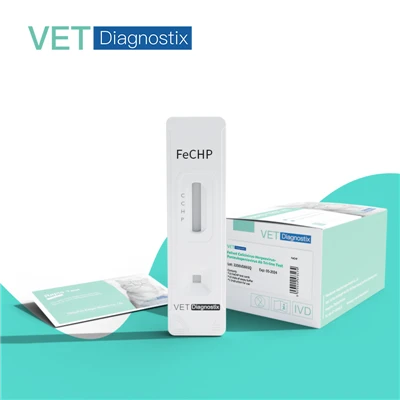
Classical Swine Fever Virus Antibody Test
Sep 20, 2026
Classical swine fever (CSF) is a contagious viral disease of domestic pigs and wild boar. It is caused by classical swine fever virus (CSFV), a member of the genus Pestivirus in the family Flaviviridae. The disease occurs in different clinical forms, from severe acute infection with high mortality to milder infections that may be difficult to recognize from clinical signs alone.
Fever, depression, reduced appetite, diarrhoea, weakness, skin discoloration and reproductive disorders may be observed in affected pigs. The severity of disease varies with the virus strain, age and immune status of the animals, as well as other factors within the herd.
Laboratory testing is therefore an important part of CSF surveillance. Antibody testing has a specific role in this process because it provides information about the immune response of pigs to CSFV.
CSFV Antibodies in Pigs
Following infection or vaccination, pigs develop antibodies against CSFV. These antibodies are not detectable immediately after infection. According to the World Organisation for Animal Health (WOAH), CSFV-specific antibodies generally become detectable from about 21 days after infection, although the timing can vary.
This timing is important when interpreting a blood sample. A pig in the early stage of infection may not yet have detectable antibodies, while an antibody-positive animal may have been exposed to the virus at an earlier time or may have been vaccinated.
The antibody result itself does not establish when exposure occurred.
Vaccination history, age, previous test results and the health status of the herd should be considered alongside the laboratory result.
Use in Herd Surveillance
CSFV antibody testing is commonly associated with serological surveillance. Instead of looking at one animal alone, samples can be collected from selected groups within a herd to assess the antibody status of the population.
This can be useful in breeding herds, replacement groups and other populations where regular monitoring is required. Repeated sampling can also provide a clearer picture than a single survey, particularly when results are compared with vaccination records and previous herd data.
The distribution of antibody-positive and antibody-negative animals may provide useful information about exposure or vaccination within the population.
For example, an unexpected antibody-positive result in a non-vaccinated herd would normally require further investigation. In a vaccinated herd, positive antibodies may be an expected finding and need to be interpreted according to the vaccination programme.
Vaccination and Serological Results
Vaccination has a direct influence on CSFV serology.
In areas where CSFV vaccination is used, antibodies detected in pigs may be related to vaccination rather than natural infection. Conventional antibody tests may not always distinguish between the two.
Some control programmes use marker vaccines together with complementary diagnostic methods. These approaches are designed to help differentiate vaccinated animals from animals that have been naturally infected.
For this reason, information about the vaccine used, vaccination date and age of the animals should be available when interpreting CSFV antibody results.
Related Pestiviruses
CSFV is closely related to other viruses in the Pestivirus genus, including bovine viral diarrhoea virus and border disease virus. Serological cross-reactions can occur because of these antigenic relationships.
This is one reason why an unexpected positive result should not automatically be treated as evidence of CSFV infection.
If the result does not agree with the clinical history, vaccination status or epidemiological situation, additional laboratory investigation may be appropriate. WOAH diagnostic guidance includes confirmatory and differential approaches for resolving such cases.
Antibody Testing and Active Infection
Antibody detection and direct detection of the virus answer different diagnostic questions.
An antibody test indicates that the animal has developed an immune response. It is useful for investigating previous exposure and for population-level surveillance.
During an investigation of suspected active CSF, direct detection of CSFV or viral nucleic acid may also be required. Depending on the stage of disease and the purpose of testing, samples such as whole blood and tissues may be collected for laboratory examination.
The timing of sampling is particularly relevant. Antibodies develop after infection, while the amount of detectable virus can change as the disease progresses.
For this reason, the selection of a test should be based on the purpose of the investigation rather than on the test format alone.
Rapid CSFV Antibody Testing
Rapid antibody tests can be used when an initial result is needed without sending every sample through a conventional laboratory workflow.
They may be useful for herd monitoring, field investigations, animal movement checks and preliminary screening. A rapid test can provide an indication of antibody status within a short period, allowing veterinary personnel to decide whether further investigation is needed.
For surveillance programmes involving large numbers of samples, laboratory-based methods such as ELISA remain widely used. Rapid testing and laboratory testing can serve different purposes within a disease-monitoring programme.
A positive or unexpected rapid-test result may need confirmation using an appropriate laboratory method, particularly when the result has regulatory or herd-health implications.
Factors Affecting Interpretation
Several details should be recorded when collecting samples for CSFV antibody testing.
Vaccination status: whether the animals have been vaccinated and which vaccine was used.
Age: young piglets may carry maternally derived antibodies, which can affect serological results.
Sampling time: antibodies may not yet be detectable during the early stage of infection.
Herd history: previous laboratory results, clinical observations and animal movements can provide important context.
Regional disease status: the epidemiological situation and applicable CSF control measures should also be considered.
Keeping these records together makes serological results much easier to interpret over time.
Role of CSFV Antibody Test in Pig Health Management
CSFV antibody testing is mainly used to assess the serological status of pigs and support surveillance programmes. It can provide information about antibody responses following vaccination and evidence of previous exposure within a population.
The meaning of a result depends on the circumstances in which the sample was collected. A positive antibody result in a vaccinated herd is not interpreted in the same way as a positive result from a non-vaccinated population.
For this reason, CSFV serology is most useful when laboratory results are reviewed together with vaccination records, animal age, herd history and other available epidemiological information.
References
World Organisation for Animal Health (WOAH). Classical Swine Fever.
WOAH. Terrestrial Animal Health Code, Chapter 15.2 – Infection with classical swine fever virus.
WOAH. Manual of Diagnostic Tests and Vaccines for Terrestrial Animals – Classical Swine Fever.